

If you’re running a residential home building company in Canada, you already know that sales drives everything. Without a steady pipeline of qualified buyers, even the best construction team can’t keep projects moving forward.
Here’s what we’ve learned from working with builders across Ontario and Canada for more than 25 years: many talented sales teams are being held back by outdated builder sales technology, or worse yet, no technology at all.
Real estate sales teams are incredibly resourceful. They’ll work around clunky systems, create workarounds with spreadsheets, and somehow keep deals moving despite the obstacles. But making it work isn’t the same as working efficiently, and it’s costing you money.
So how do you know when it’s time to upgrade your builder sales technology? Here are 8 telltale signs that your sales team is overdue for better builder sales technology.
1. Your Team Spends More Time on Admin Than Selling
When we talk to sales managers, the first complaint is usually: “My team is drowning in paperwork.”
Your salespeople shouldn’t be spending hours each week updating spreadsheets, manually entering data into multiple systems, or chasing down information that should be at their fingertips. Every hour spent on administrative tasks is an hour they’re not spending with prospects or closing deals.
What to do about it: Modern new home sales software can often reduce admin time by as much as 30-40%, giving your team more time to focus on what they do best: building relationships and closing deals. Look for solutions that automate repetitive tasks and centralize your information.
2. Lead Response Times Are Slow
In today’s market, speed matters. When a prospect inquires about your new development, they’re likely reaching out to multiple builders. Research shows that responding within five minutes makes you 100 times more likely to connect with an interested customer than if you waited an hour.
But if leads are coming in through multiple channels: your website, realtor partners, walk-ins at your sales centre, and home shows, and there’s no centralized builder sales technology to capture and route them, some leads are falling through the cracks.

What to do about it: A system that captures leads from all sources in one place and alerts the right team member immediately can dramatically improve your response times and conversion rates. Automated lead routing and instant notifications aren’t luxuries anymore, they’re necessities.
3. You Can’t Easily Track Where Your Leads Come From
Which marketing channel is bringing you the most qualified buyers? If you’re not sure, or if getting that answer requires someone to spend a day pulling data from multiple sources, you’re flying blind when it comes to marketing ROI. You might be investing heavily in channels that aren’t delivering while underinvesting in the ones that are.
What to do about it: Technology that tracks lead sources automatically and provides clear reporting on which channels are converting allows you to make smarter marketing decisions and allocate your budget more effectively. This visibility pays for itself quickly.
4. Your Sales Pipeline Visibility is Limited
As a sales manager or company owner, you should be able to answer these questions at any moment: How many active prospects do we have right now? Which deals are likely to close this month? Where are the bottlenecks in our sales process? What’s our projected revenue for the next quarter?
If you can’t get these answers quickly (or if you have to interrupt your sales team to gather the information) you lack the visibility you need to manage effectively and forecast accurately.
What to do about it: Real-time dashboard reporting gives you instant insight into your entire sales pipeline without requiring your team to generate manual reports or pull them away from selling activities. The right system provides this visibility automatically.
5. Critical Information Lives in People’s Heads
Every sales professional has their own system: notes in their phone, details scribbled on site maps, or important buyer preferences stored in their memory. The problem is that information isn’t accessible to anyone else on your team.
What happens when someone goes on vacation, leaves the company, or is simply unavailable when a prospect calls? Another team member scrambles to get up to speed, the customer experience suffers, and you risk losing the sale.
For Canadian builders dealing with complex regulations, Tarion requirements, and critical closing dates, having all purchaser information scattered across personal notes creates significant risk.
What to do about it: Centralized customer information in a shared system ensures continuity, improves collaboration, and protects your business from knowledge gaps. Every relevant team member should be able to access what they need, when they need it.
6. Document Management is Chaotic
How many versions of that contract are floating around? Where’s the signed purchase agreement? Did the lawyer receive the updated deposit information?
Finding important documents shouldn’t mean searching through email threads, shared drives, or filing cabinets. In the Canadian residential construction industry, where documentation requirements are stringent and closing processes involve multiple parties, document chaos can delay closings and create serious compliance issues.
What to do about it: Centralized document management with version control, e-signature capabilities, and easy sharing with external partners like lawyers and real estate agents saves time and reduces errors. Everything related to a specific purchaser should be organized in one accessible location.
7. Collaboration Between Sales and Construction is Difficult
The handoff from sales to construction is critical. Construction teams need accurate information about what was sold, any upgrades or customizations, and specific timing requirements. But if this information is trapped in the sales team’s spreadsheets or passed along through verbal updates, miscommunication happens and balls get dropped.
The result is construction delays, purchaser dissatisfaction, costly changes, and frustrated teams on both sides.
What to do about it: Your technology should bridge the gap between sales and construction, providing a single source of truth that both teams can access. When everyone works from the same information, projects run smoother and purchasers have a better experience.
8. You’re Feeling the Growing Pains of Success
This is actually a good problem to have. Maybe your company has grown from 50 units per year to 200. Or you’ve expanded from single-family homes to include condo developments. Perhaps you’re moving into new markets across Canada.
Whatever the reason, if your current systems and processes can’t keep up with your growth, you’re in danger of hitting a ceiling. The spreadsheets and workarounds that got you here won’t get you to the next level.
What to do about it: Scalable solutions designed to grow with your business are essential. Whether you’re building 15 homes or 1,500 units annually, the right builder sales technology should adapt to your needs without requiring a complete overhaul every few years.
Moving Forward: Your Next Steps
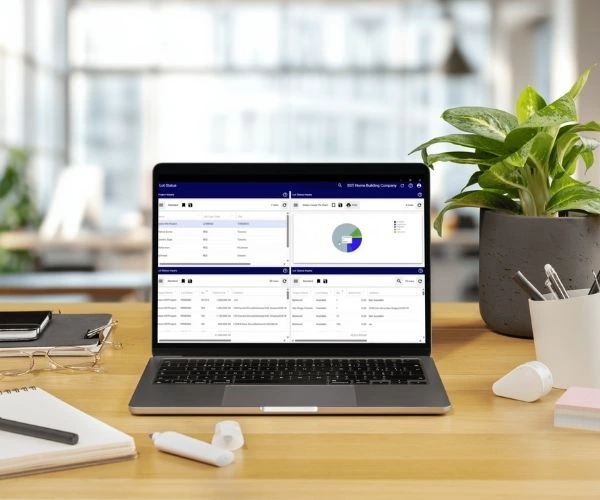
If you recognized your sales team in any of these signs, you’re not alone. We work with Canadian homebuilders every day who’ve outgrown their current systems and are ready for something better.
The good news is that upgrading your technology doesn’t have to be overwhelming. The key is choosing solutions specifically designed for the residential construction industry, not generic CRMs or software built for other sectors. Homebuilding has unique requirements, from managing inventory and lot releases to tracking critical dates and navigating Canadian regulations like Tarion compliance.
When you implement the right technology, your sales team spends more time selling and less time on administrative tasks. Lead response times improve dramatically. You have clear visibility into your pipeline and can forecast with confidence. Information is centralized and accessible to everyone who needs it. The customer experience improves at every touchpoint, and your operations can scale smoothly as your business grows.